Roof Replacement Cost in Watertown, CT: The Real Pricing Factors (Size, Pitch, Layers, Material)

Modern Way Roofing is based right here in Watertown, and our in-house team has completed 1,000+ roofing projects across Connecticut. We write content like this because homeowners deserve straight answers, not vague "it depends" talk. Below is a clear breakdown of what drives roof replacement cost in Watertown, CT, what a real roof estimate includes, and how to compare quotes without getting burned.
The Quick Takeaway for Watertown Homeowners
- A "roof replacement cost" is really a bundle of costs: materials, labor, tear-off, disposal, protection, and the small details (flashing, vents, underlayment) that stop leaks.
- Size matters most, but pitch, layers, and roof complexity can change your price fast, even if two homes look similar from the street.
- Most roofers talk pricing in two ways:
- Per square (a roofing square = 100 sq ft of roof surface)
- Per square foot
- If you want the most accurate number, you need a quote that's based on your roof's measurements, not your home's floor plan.
What's Included in a "Roof Replacement" Quote (and What's Not)
Not every "new roof" quote means the same thing. Some proposals are shingles-only. Others are a full roofing system replacement. Here's what you should expect to see in aroof replacement quote.
| Line Item | What It Covers | Why It Impacts Cost |
|---|---|---|
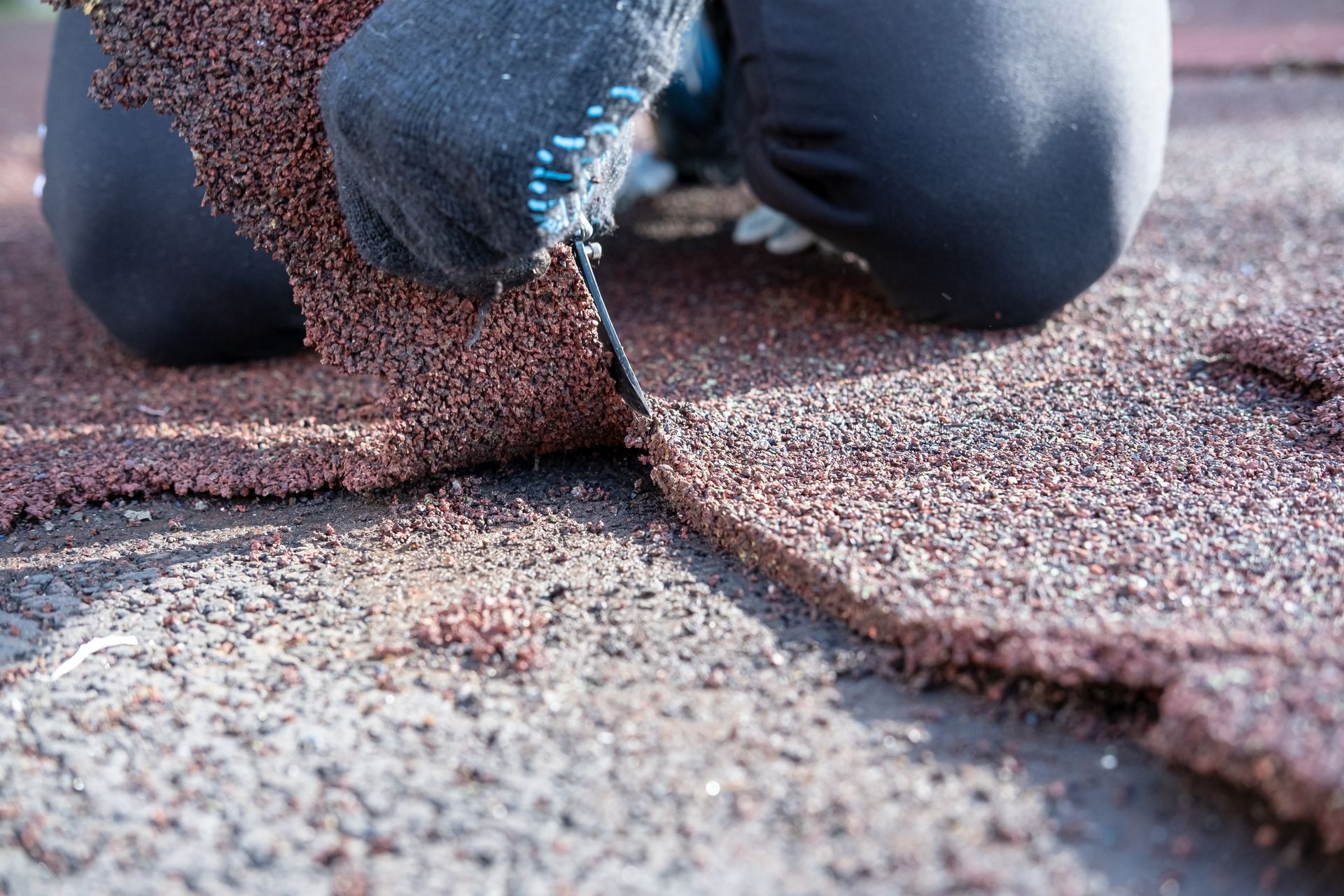
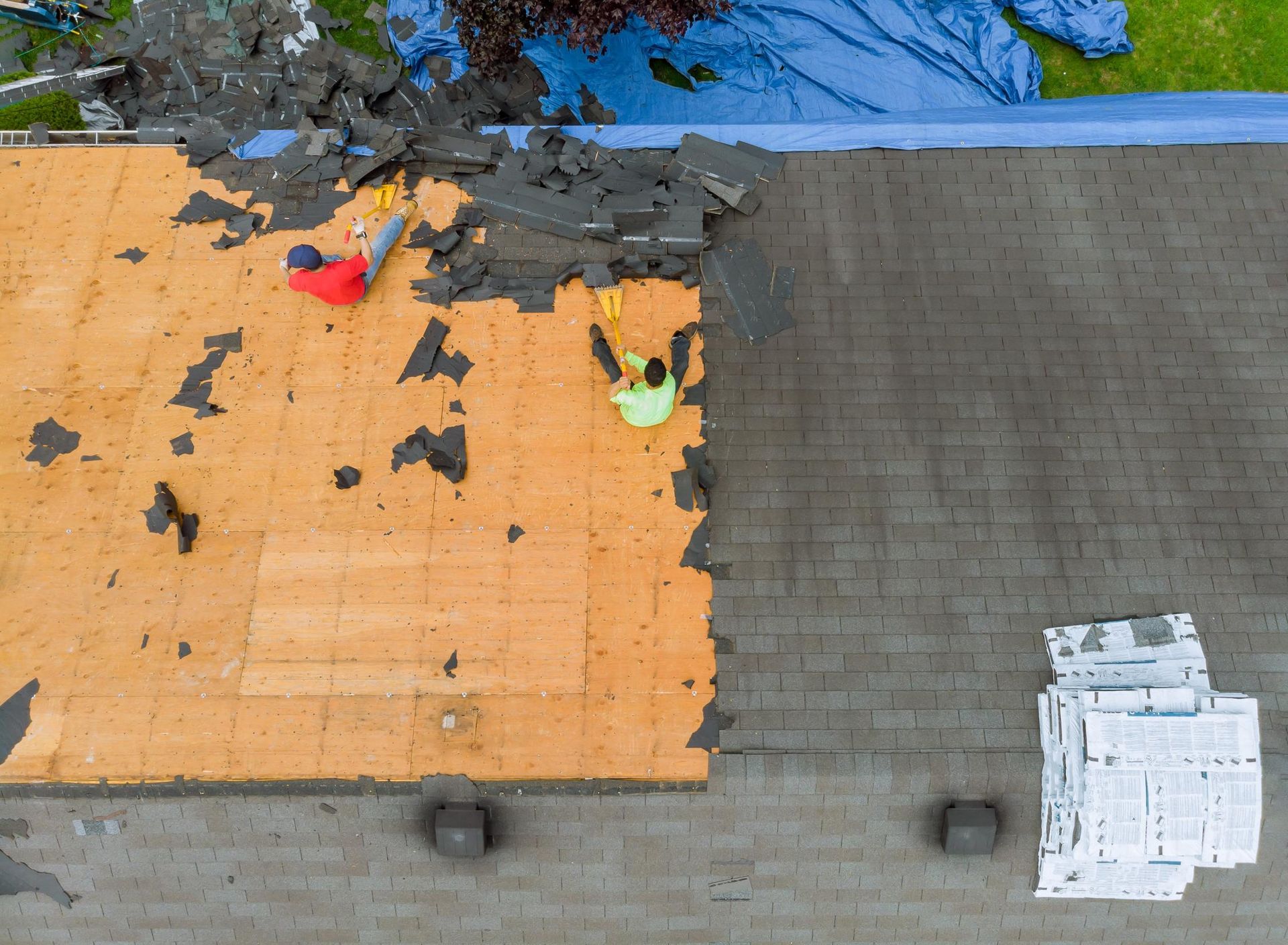
| Tear-off | Removing old shingles and underlayment | Extra labor, extra disposal, more time |
| Disposal fees | Dumpster fees, hauling, dump charges | Multiple layers increase weight and cost |
| Deck prep | Checking the wood roof deck for soft spots | Rotten decking replacement adds materials and time |
| Underlayment | Water-shedding layer under shingles | Upgrades cost more but help prevent leaks |
| Ice and water protection | Waterproof membrane at eaves and valleys | Common in CT climates, adds material and labor |
| Flashing work | Metal at chimneys, walls, valleys, pipe boots | Flashing failures are a top leak cause |
| Ventilation | Intake and exhaust ventilation improvements | Can prevent moisture issues and shingle damage |
| Drip edge / edge metal | Protects roof edges and fascia | Helps prevent rot and water intrusion |
| Cleanup | Debris removal, magnetic nail sweep | Better cleanup usually means more labor time |
| Permits | Municipal permit and inspection requirements | Some towns require permits for roof replacement |
What's often not included unless stated:
- Gutters or gutter guards
- Skylight replacement
- Structural framing work (rare, but possible)
- Major carpentry beyond typical decking or fascia repair
Typical Cost Ranges by Project Scope in Watertown, CT
Instead of throwing out one "average" number, it's more useful to think in scope buckets. These are common quote types you'll run into.
Smaller-scope replacements (localized sections / simpler layouts) This is when only part of the roof is being replaced (for example, a smaller section, porch roof, garage, or a very simple layout). It can also describe projects where tear-off is minimal and the roof is easy to access.
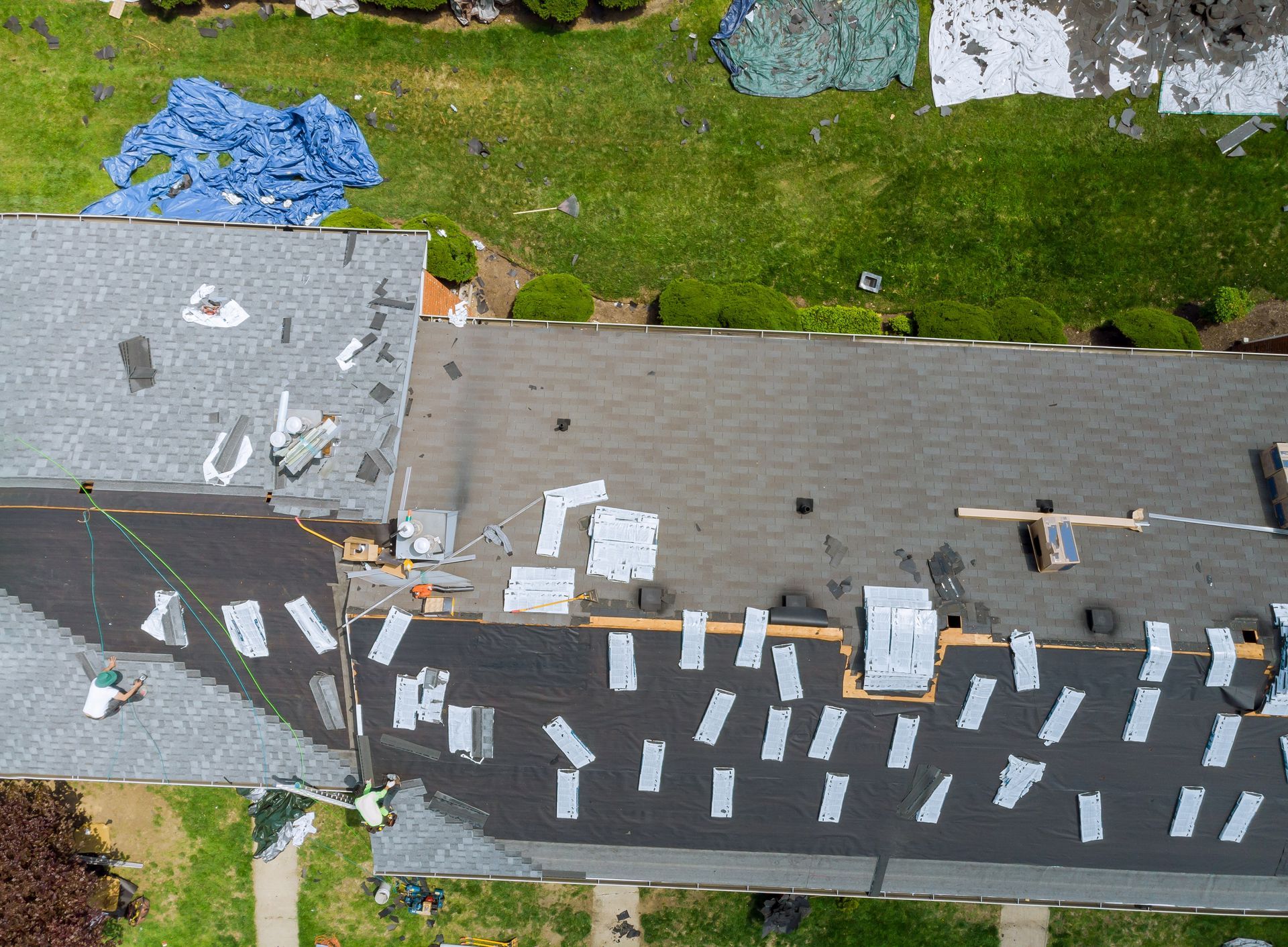
Full tear-off + replacement (most common "new roof" scope) This is the typical "full roof replacement" most homeowners mean: remove existing layers down to the deck, address any bad wood, then install a complete new system.
Premium / complex projects (steep pitch, multiple layers, specialty materials) Cost jumps when the roof is steep, cut up, hard to stage, has multiple layers, or uses higher-end materials (metal, slate, tile). Complexity usually increases labor hours more than homeowners expect.
Cost framing you can use (low / mid / high buckets):
- Low bucket: simple roof, one layer, easy access, standard asphalt shingles
- Mid bucket: typical CT roof with valleys, penetrations, and normal tear-off
- High bucket: steep-slope roof, multiple layers, lots of details, premium materials
Key Pricing Factors That Control Roof Replacement Cost
Roof Size (and the "Waste Factor")
Roof size is measured by roof surface area, not your home's living area. A simple gable roof often has less waste than a complicated hip roof with dormers and valleys, even if the house size is the same.
What increases cost here:
- More squares of material
- More underlayment, ice and water protection, ridge caps
- More labor time
- More waste from cuts on complex layouts
Pitch and Access
Pitch is the steepness of the roof. Steeper roofs require more safety setup, slower movement, and often more staging. That means more labor cost.
What raises price:
- Steep-slope roof safety requirements
- Hard-to-reach sections
- Landscaping, fences, or tight driveways that limit staging
- Multiple stories
Existing Layers (Tear-Off)
If your roof has one layer of shingles, tear-off is usually straightforward. If it has two layers (or more), removal takes longer, weighs more, and costs more to dispose of.
What you'll see on estimates:
- Additional layer removal
- Disposal fees that scale with weight
- Extra time for deck prep once layers are removed
Roof Complexity
Complexity is the "how many details" factor. More details means more cuts, more flashing, and more places water can sneak in.
Common complexity drivers:
- Valleys and roof valleys
- Dormers and wall lines
- Skylights
- Chimneys
- Lots of roof penetrations (bath vents, plumbing vents)
- Gable roof vs hip roof layouts (hip roofs often have more edges and detail work)
Material Choice
Material choice can move cost a lot. Asphalt is usually the most budget-friendly. Metal, slate, clay tile, and concrete tile roofing typically cost more upfront, but can last longer.
Even within asphalt:
- 3-tab shingles are usually cheaper
- Architectural shingles are a common CT upgrade
- Designer shingles can add cost for look and performance
Underlayment and Ice/Water Protection
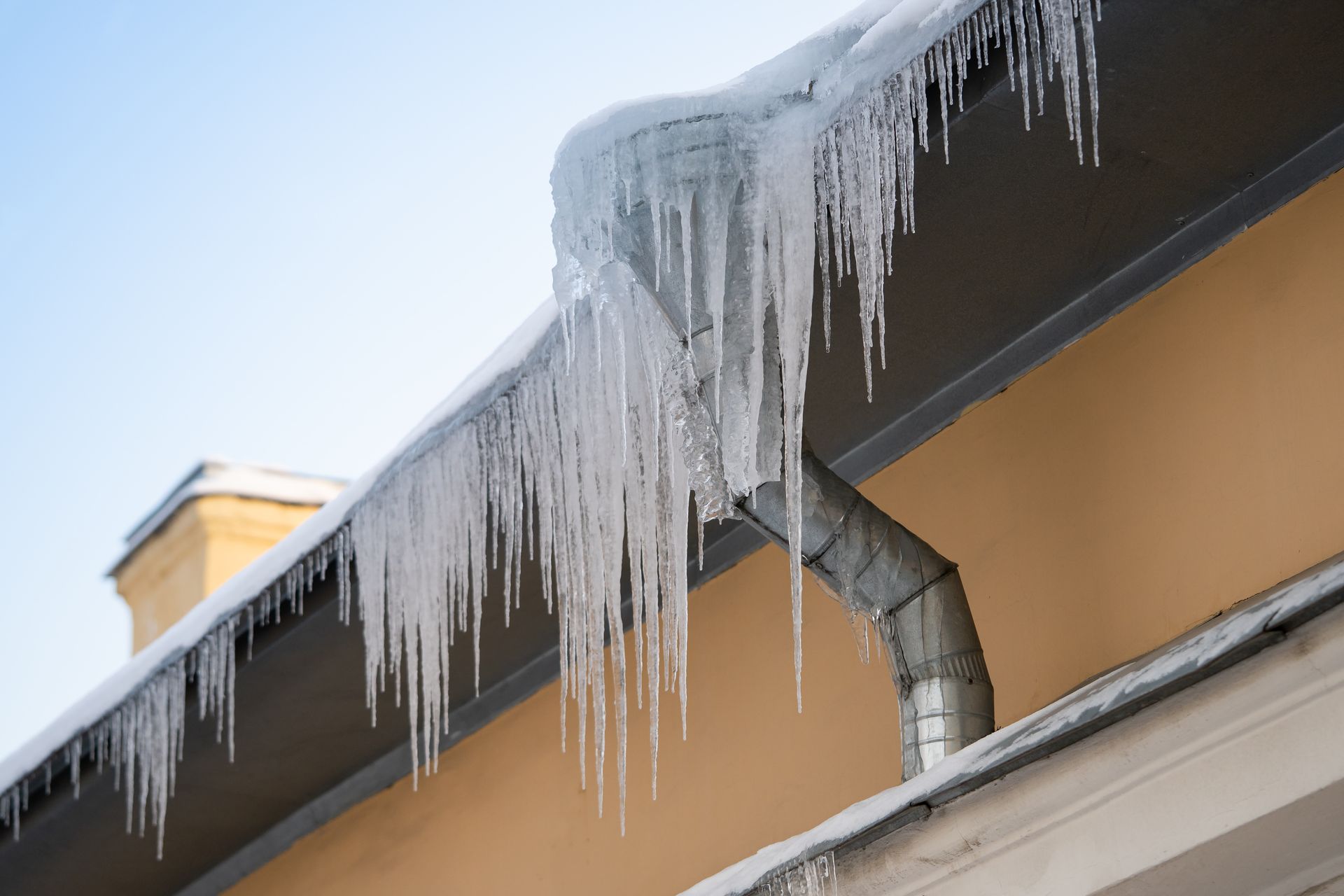
Underlayment is the layer under your shingles. Ice and water protection is the waterproof barrier placed in key leak zones like eaves and valleys. In New England weather, those layers matter, especially when ice dams form along rooflines during harsh winters.
Why it changes cost:
- Better materials cost more
- Install takes longer
- It can reduce leak risk, especially around valleys and edges
Ventilation and Airflow
A roof replacement is often the best time to fix ventilation. Poor ventilation can lead to moisture issues, mold risk, and premature shingle wear.
Ventilation upgrades may include:
- Ridge vent
- Soffit intake solutions
- Bath fan venting corrections
- Attic airflow balancing
Decking and Wood Repairs
You usually cannot see the roof deck clearly until tear-off. If the plywood sheathing is soft or rotted, it needs replacement for a safe, code-correct install.
Common repairs:
- Plywood sheathing replacement
- Fascia repair
- Local framing touch-ups (as needed)
Flashing, Drip Edge, Gutters, and "While We're Up Here" Add-Ons
A lot of roof leaks come from flashing, not shingles. If chimney flashing replacement, step flashing, or pipe boot flashing is failing, your estimate may include those updates. You can also explore our gutter services if an upgrade makes sense while crews are already on site.
Common add-ons:
- New drip edge
- New pipe boots
- Chimney flashing repairs
- Gutter system upgrade (if requested)
- Skylight replacement (if aging or leaking)
Permits and Inspections (Watertown/CT Norms)
Many CT towns require permits for roof replacement. Some roofers include this line item. Others roll it into the estimate. Either way, it's a real cost that should be accounted for.
Timing, Demand, and Labor Rates
In busy seasons, roofing labor is in higher demand. Weather windows matter in CT, too. Timing can influence scheduling and sometimes pricing, especially for premium crews. After a major storm, demand spikes quickly, learn more about storm damage roof repair in Watertown if that's what prompted your search.
Cost Breakdown by Roofing Material
Here's a simple comparison table explaining how material choice changes the cost to replace a roof in CT. Exact numbers vary by roof size, tear-off needs, and complexity, but the relative ranking is consistent.
| Material | Typical Cost Position | Best Fit | Why Homeowners Choose It |
|---|---|---|---|
| 3-tab asphalt shingles | Budget | Simple roofs, rental properties | Lowest upfront material cost |
| Architectural shingles | Mid-range | Most Watertown homes | Strong value, common choice, good look |
| Designer shingles | Mid to premium | High-visibility homes | Enhanced style and durability options |
| Metal roofing | Premium | Long-term owners | Longevity and performance, higher upfront |
| Wood shakes | Premium | Specialty look | Aesthetic appeal, higher maintenance |
| Clay or concrete tiles | Premium | Structural-fit homes | Durability, distinct look, heavy material |
| Slate roofing | Premium to highest | Historic / high-end | Very long lifespan, specialized install |
Example Scenarios for Real-World Clarity
"Simple roof" scenario A basic gable roof with one layer, easy driveway access, and standard architectural shingles. This tends to land in the lower-to-mid bucket because labor hours stay reasonable and waste is low.
"Steep + cut-up roof" scenario A steeper roof with valleys, dormers, skylights, and a chimney. Even if the roof isn't massive, labor time climbs. More details also means more flashing work and more cut waste.
"Multiple layers + repairs" scenario A roof with two layers of old shingles plus visible signs of age, soft spots, or ventilation issues. Tear-off and disposal go up, and decking replacement can add a meaningful jump.
"Material upgrade" scenario The homeowner wants to upgrade from architectural shingles to standing seam metal. The install method and materials change significantly, so the price jump is not just "more expensive material", it is also added labor, specialized details, and sometimes additional prep.
How to Get an Accurate Roof Replacement Quote in Watertown
Before reaching out, it helps to have a roof inspection completed so you have a clear picture of your roof's current condition. That way, quotes will be more specific and surprises after tear-off are less likely.
What to hand a roofer so quotes are comparable:
- Your address and best contact info
- Approximate roof age (if you know it)
- Known leak areas (ceiling stain locations help)
- Photos from the ground and attic (if safe)
- Any prior repair history
- Your goal: lowest upfront cost, best value, or longest lifespan
What a good estimate should clearly state:
A solid roof estimate should be specific. Vague proposals create surprise charges. Look for clear language on:
- Tear-off scope (how many layers)
- Underlayment type
- Ice and water protection locations
- Flashing scope (chimney, valleys, pipe boots)
- Ventilation plan
- Deck repair pricing method
- Cleanup and disposal
- Warranty terms and who honors them
Apples-to-apples quote checklist:
| Compare This | Why It Matters |
|---|---|
| Layers included in tear-off | Two layers can change cost a lot |
| Underlayment and ice/water spec | Prevents leaks, impacts lifespan |
| Flashing replacement scope | A common leak source |
| Ventilation plan | Helps protect the roof system |
| Decking repair terms | Avoids surprise costs after tear-off |
| Cleanup commitment | Nails and debris are a real risk |
| Permit handling | Keeps the project compliant |
Ways to Control Cost Without Cutting Corners
- Pick the right shingle tier for your goals. Architectural shingles often hit the best balance of value and durability.
- Avoid skipping flashing work. Saving a little here can cost a lot later if leaks start.
- Fix ventilation during replacement. It is usually cheaper to correct during a reroof than later.
- Get multiple quotes, but compare scope, not just price. The cheapest quote is often missing important line items.
- Schedule smart if you can. Off-season roof replacement can sometimes open better scheduling options.
- Be careful with "unknowns." If the deck condition is unknown, make sure the estimate explains how decking repairs are handled.
Financing and Insurance Considerations
Roof replacement is a big project, and many homeowners want payment flexibility. If financing for roof replacement is on your radar, ask for terms early so you can compare monthly payment options before you choose a scope.
Insurance can help in some cases. If you've had recent weather damage, learn more about filing a roofing insurance claim and what documentation you'll need.
- Storm damage (wind damage, hail damage, falling debris) may be covered depending on your policy.
- Normal aging and wear usually are not covered
. - Documentation matters. Photos and a clear scope help if you are filing a claim.
If you only remember four things about roof replacement cost in Watertown, CT, make it these: size, pitch, layers, and material. Those four factors drive most of the price swing. After that, details like valleys, chimneys, skylights, tear-off, decking, ventilation, and flashing decide whether the roof performs like it should.
If you want a real number for your home, the fastest path is a measured, written roof estimate that clearly spells out scope and materials, so you can compare bids confidently.
Contact Modern Way Roofing to get started.
Frequently Asked Questions
How long does a full roof replacement take in Watertown, CT?
Most standard full tear-off and replacement projects are completed in one to two days for a typical single-family home. Larger roofs, steep pitches, or projects with significant decking repairs can push that to three or more days. Weather is the biggest wildcard in Connecticut, your contractor should give you a realistic timeline that accounts for it.
Does Watertown require a permit for roof replacement?
In most cases, yes. Watertown follows Connecticut's building code requirements, which typically require a permit for a full roof replacement. A reputable contractor will pull the permit on your behalf and schedule the required inspection. Be cautious of any roofer who suggests skipping it, an unpermitted roof can create problems when you sell your home or file an insurance claim.
How do I know if I need a full replacement or just a roof repair?
Age and the extent of damage are the two biggest indicators. If your roof is under 15 years old and damage is isolated to one area, a roof repair may be the right call. If it's 20+ years old, has multiple problem areas, or has already been repaired more than once, replacement usually delivers better long-term value. A professional inspection will give you a clear answer without guesswork.
What time of year is best to replace a roof in Connecticut?
Late spring through early fall tends to offer the most reliable weather windows, and crews have enough temperature range for proper shingle sealing. That said, roofs can be replaced year-round in CT, winter installations are done regularly when conditions allow. If your roof is actively failing, waiting for an "ideal" season is rarely worth the risk of interior water damage.
What warranty should I expect on a new roof in Watertown?
A complete roofing system typically comes with two separate warranties: a manufacturer's material warranty (often 30 years to lifetime on architectural shingles) and a workmanship warranty from the contractor. The workmanship warranty is the one most homeowners overlook, it's what covers installation errors, and its length and terms vary significantly between contractors. Always ask who backs the workmanship warranty and for how long before signing.
Recent Posts