EPDM Flat Roof Repair: 7 Signs Your Flat Roof Needs Service Before Spring Rains

At Modern Way Roofing, we work on flat and low-slope roofing systems all over Connecticut, including EPDM rubber roofs. We see what actually fails in real life, what causes a flat roof leak, and what repairs hold up through spring storms. This guide gives you straight answers first, then the deeper "why" behind each warning sign so you can act before a small issue turns into wet insulation, stained ceilings, or interior damage.
Why Spring Rains Expose Flat Roof Problems Fast
EPDM roofs are built to handle water, but spring weather is a stress test. You get heavier rain, big temperature swings, and snowmelt that can overwhelm weak spots
.
- EPDM sheds water differently than shingle roofs. On a low-slope roof, water moves slowly and can sit in low areas.
- Small defects get punished. A tiny seam gap or pinhole can let water travel under the membrane and spread.
- Moisture doesn't always show up right away. By the time you see a ceiling stain, the insulation may already be wet.
If your roof made it through winter, that's good, but spring is when hidden issues usually show themselves. A
winter roof inspection can help you catch damage before the rainy season hits.
Quick EPDM Flat Roof Primer (So the Signs Make Sense)
What EPDM is and how it's installed
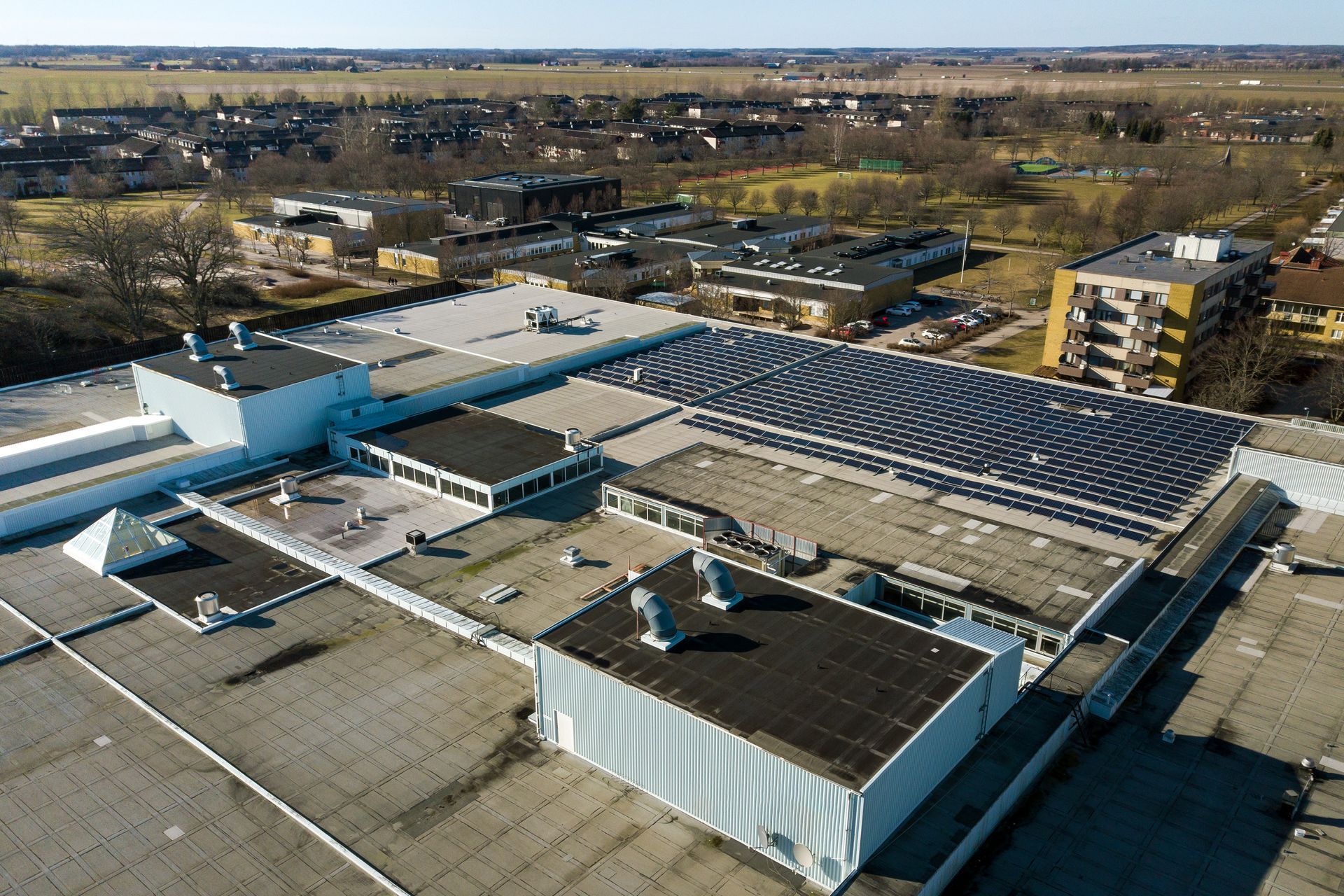
EPDM is a rubber roofing membrane used on flat and low-slope roofs. It's installed in large sheets, then sealed at seams and detailed around edges and penetrations.
Common install methods include:
- Fully adhered (glued down)
- Mechanically attached (fasteners and plates in specific patterns)
- Ballasted (held down with stone in some commercial setups)
No matter the method, the membrane is only as strong as its seams, edges, and flashing details.
The weak points on most EPDM flat roofs
Most EPDM roof problems trace back to a few areas:
- Seams (lap joints where sheets overlap)
- Penetrations (pipes, vents, HVAC supports, skylights)
- Edges and termination points (where the membrane ends at walls or metal)
- Drainage zones (drains, scuppers, low spots where water collects)
Repair vs. replacement
A lot of EPDM issues are very repairable, especially when caught early.
Repairs usually make sense when:
- The membrane is in decent shape overall
- The problem is localized (seam separation, puncture, flashing failure)
- Insulation isn't widely saturated
Replacement becomes more likely when:
- There are widespread seam failures across the roof
- The membrane is brittle, shrinking, or cracking in many areas
- You're constantly chasing new leaks in different spots
- Wet insulation is extensive (water trapped under the system)
The 7 Warning Signs Your EPDM Flat Roof Needs Repair
1. Active Leaks or Interior Water Staining
This is the clearest sign, but it's not always "dripping water." Watch for:
- Brown ceiling discoloration or water rings
- Damp spots on drywall near exterior walls
- Musty odors (often from wet insulation)
- Peeling paint from moisture
Important detail: water can travel under an EPDM membrane. The leak might show inside far from the actual roof opening. If you're dealing with an active situation, emergency roof repair may be the right first call.
2. Ponding Water That Sticks Around After Rain
Ponding water means water sits on the roof instead of draining. A little water right after a storm isn't unusual, but if it lingers, it matters.
Why it matters:
- It increases stress on seams and flashing
- It can speed up membrane wear
- It often points to a drainage issue or sagging area
If you routinely see standing water in the same spots, you likely have a slope or drainage problem that needs attention.
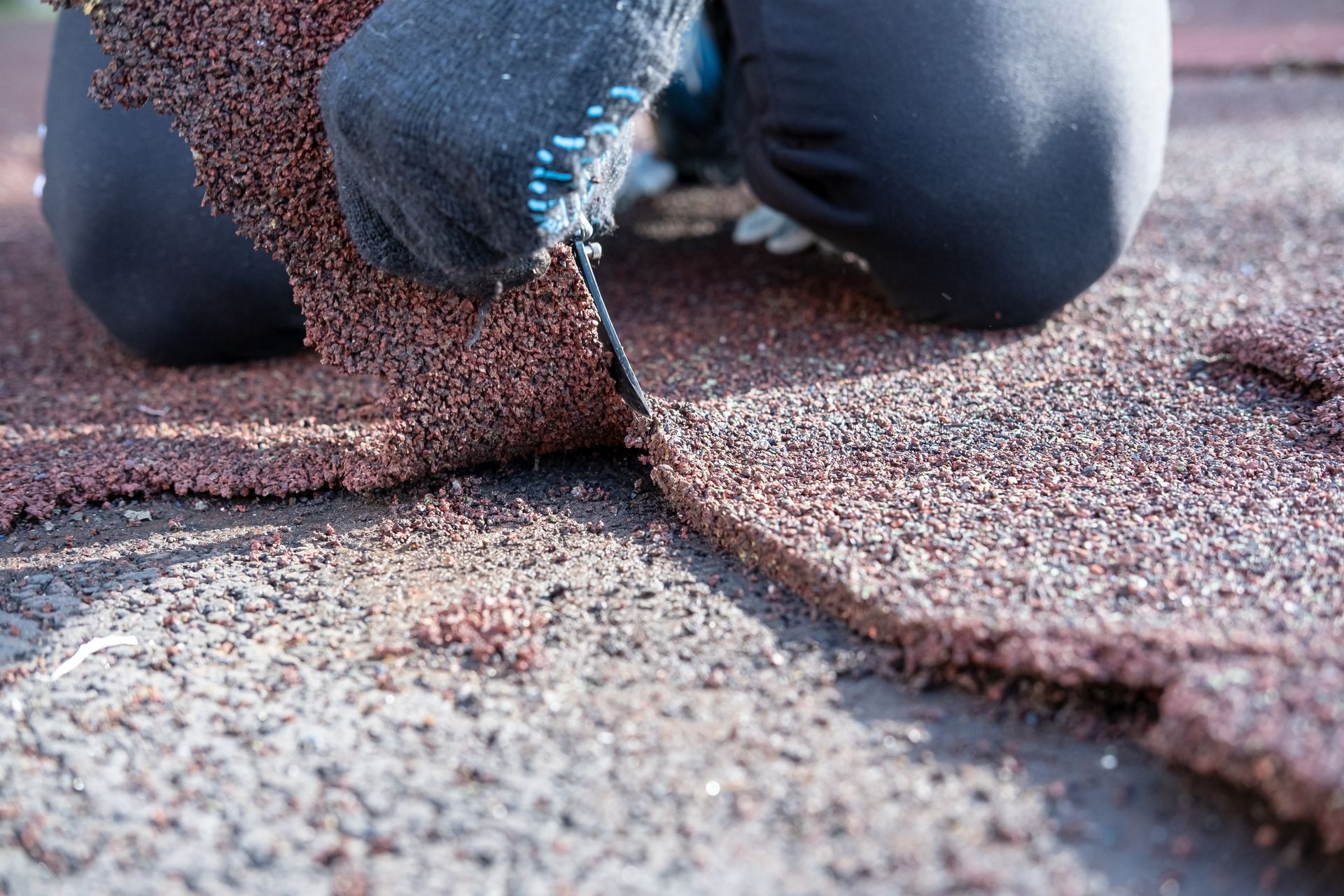
3. Membrane Punctures, Tears, or Open Holes
EPDM is tough, but it's not invincible. Common causes include:
- Foot traffic from service work
- Fallen branches
- Tools dropped on the roof
- Animal damage in some cases
Even a small puncture can lead to a slow leak that saturates insulation over time.
4. Seam Separation or Failing Lap Joints
Seams are one of the most common failure points on rubber roofs. Look for:
- Seams lifting at the edges
- Gaps where the lap joint is opening
- Loose or peeling seam tape
- Cracking sealant along the seam
Seam issues often start small, then worsen as water and temperature cycles work the gap wider.
5. Blisters, Bubbles, or Wrinkling in the Membrane
Blisters and bubbles usually mean something is happening under the surface, such as:
- Trapped moisture under the membrane
- Adhesion problems
- Movement from temperature swings and expansion/contraction
Wrinkles can also form when the membrane shifts or wasn't properly set. While not every wrinkle leaks, these areas can become stress points.
6. Flashing Problems Around Penetrations and Roof Edges
Most flat roof leaks happen at details, not in the middle of a clean field of membrane. Pay close attention around:
- Pipes and vents
- Skylights
- Parapet walls and terminations
- Drip edges and edge metal
- Chimneys on low-slope transitions
If flashing is loose, cracked, or separating, water can enter even if the main membrane looks fine.
7. Surface Deterioration from UV and Weathering
Over time, UV and weather can wear down roofing materials and the sealants used at details. Signs include:
- Cracking or checking at stressed areas
- Brittleness near edges or penetrations
- Worn sealant beads and exposed seams
- General "tired" appearance where patches and sealant are everywhere
If the surface is aging out, repairs may still work, but the roof should be evaluated for overall condition so you're not throwing good money after bad.
Where to Look First During a Flat Roof Walkthrough
You can do a basic visual check (from a safe place) to spot common issues. If you're on a roof, use extreme caution. If access is unsafe, skip it and schedule a professional roof inspection.
High-priority areas to check:
- Drain areas and low spots: look for ponding water, clogged drains, debris
- Seams and transitions: check for seam separation or peeling edges
- Penetrations and rooftop units: look for cracked sealant and loose flashing
- Perimeter edges and wall terminations: look for lifted membrane edges and gaps
If you're seeing multiple warning signs, it's worth getting a professional flat roof inspection sooner rather than later.
What Causes These Problems on EPDM Roofs
Drainage and maintenance issues
Flat roofs need basic maintenance to drain properly. When debris builds up, problems follow:
- Clogged roof drains and scuppers
- Water backing up and pooling
- Organic growth like moss or algae holding moisture
Even a well-installed roof can develop leaks if water is sitting where it shouldn't.
Age and normal wear
Sealants, adhesives, and seam materials don't last forever. Over time you may see:
- Adhesives losing strength
- Sealant shrinking and cracking
- Membrane movement and stress at details
Weather stress
Connecticut weather brings:
- Freeze-thaw cycles that expand small gaps
- Thermal movement (hot days, cold nights)
- Wind uplift stress at edges and corners
These stresses tend to show up first at seams, edges, and penetrations. Storm damage can accelerate all of them.
Installation shortcuts
Some issues trace back to how the roof was installed or repaired in the past:
- Poor seam prep (dirty or wet surfaces before bonding)
- Weak flashing details around penetrations
- Inadequate securement at edges and terminations
- Patch repairs done without proper primer and rolling pressure
A repair can look fine on day one and fail quickly if the prep wasn't done right.
Foot traffic and mechanical damage
Flat roofs get walked on, especially where HVAC and vents need service. Over time:
- Repeated foot traffic can wear the membrane
- Tools can cause punctures
- Heavy equipment can stress seams and flashing
Walk pads or planned pathways can reduce damage in high-traffic areas.
EPDM Flat Roof Repair Options (What a Pro May Recommend)
Patching punctures and small tears
For small damage, patching is often the right solution. A proper EPDM patch repair usually involves:
- Cleaning and drying the area
- Using EPDM primer where required
- Applying an EPDM patch (or patch kit material)
- Rolling it firmly for full contact
- Sealing edges with compatible lap sealant when appropriate
The goal is a watertight roof repair that won't peel under stress.
Reseaming and seam reinforcement
If seams are lifting or failing, the repair may include:
- Rebonding the seam with proper prep
- Installing seam tape where needed
- Reinforcing stressed areas
- Applying lap sealant as part of the detail
Seam repairs are very prep-dependent. The best materials in the world won't stick to a dirty, damp, or poorly prepared surface.
Flashing repairs at penetrations and edges
Flashing repairs may include:
- Reworking pipe boots
- Reflashing around vents and skylights
- Repairing termination bars and edge details
- Rebuilding corner details where stress concentrates
If the leak is at a penetration, this is often the highest-value repair you can do.
Drainage corrections
If ponding water is a repeat problem, repairs may also address drainage, such as:
- Roof drain cleaning and debris removal
- Adjustments to scuppers or drain lines
- Adding crickets to move water away from problem areas
- Tapered insulation strategies in more involved situations
Stopping ponding reduces the chance of future seam and flashing failures.
Targeted membrane replacement
Sometimes the best option is replacing a section that's too damaged to patch reliably. This can happen when:
- The membrane is deteriorated in a concentrated zone
- Repairs have stacked up and the area is unstable
- Insulation beneath is compromised
Targeted replacement can be a smart middle ground between small repairs and full replacement.
When EPDM Roof Repair Becomes Urgent (Don't Wait)
Certain signs mean you shouldn't "watch it for a while":
- Evidence of saturated insulation (spongy feel, recurring leak spots, persistent interior staining)
- Widespread seam failures (multiple seams lifting across the roof)
- Persistent ponding water paired with membrane distress
- Interior damage risk (active dripping, drywall swelling, mold concerns)
The longer water sits in the system, the more likely costs increase, because you're no longer just fixing the membrane. You're dealing with wet insulation and possibly decking issues too. In these situations, emergency roof repair is worth considering before conditions get worse.
How to Prepare for an EPDM Repair Visit
You'll get better answers and faster estimates if you gather a few basics first:
- Photos of interior stains or leak spots (include room location)
- Notes on when leaks happen (heavy rain, wind-driven rain, thaw cycles)
- Any known roof history (age, past repairs, prior leak locations)
- Clear access to roof hatches or attic areas if needed
If it's safe and easy, remove loose debris from drains, but don't attempt repairs yourself with random sealants. Using the wrong product can make professional repair harder and more expensive.
Questions that help you compare repair estimates:
- What is the exact leak source they found?
- What repair method and materials are being used?
- Is the repair a patch, seam repair, flashing repair, or drainage fix?
- What warranty is offered on the repair work?
- What does cleanup include?
Preventive Maintenance Before the Rainy Season
A little maintenance before spring can prevent a lot of headaches.
Helpful maintenance steps:
- Keep drains and scuppers clear
- Remove branches and debris that hold moisture
- Watch for new seam separation or lifted edges
- Protect high-traffic areas with walk pads
- Reseal vulnerable details before they open up
A routine flat roof inspection schedule, especially after winter and after major storms, helps you catch small issues early, when repairs are simpler and less expensive.
Wrap-Up
EPDM roofs are durable, but they're not "set it and forget it." If you're seeing ponding water, seam separation, punctures, bubbling, flashing problems, or any sign of a flat roof leak, it's worth acting before spring rains turn a minor defect into interior damage.
If you want clarity, the best next step is a professional roof inspection focused on seams, penetrations, edges, and drainage. A good repair plan tells you what's wrong, what it will take to fix it, and how to prevent the leak from coming back. Contact Modern Way Roofing to get started.
Frequently Asked Questions
Can an EPDM flat roof be repaired, or does it always need full replacement?
In most cases, EPDM can be repaired, especially when issues are caught early and the damage is localized. Seam separation, punctures, and flashing failures are all repairable without replacing the entire membrane. Full replacement becomes the better call when damage is widespread, insulation is saturated in multiple areas, or the membrane itself is brittle and shrinking. A professional inspection is the fastest way to know which path makes sense for your roof.
How long does an EPDM flat roof typically last?
A properly installed EPDM roof can last 20 to 30 years or more with basic maintenance. The membrane itself is durable, but the details, seams, flashing, sealants, tend to age faster. Most flat roof failures happen at those points rather than in the open field of membrane. Keeping up with minor repairs and inspections is what gets you toward the longer end of that range.
Is ponding water always a sign something is wrong?
A small amount of water immediately after heavy rain is normal and not necessarily a problem. The concern is water that remains standing 48 hours or more after a storm. Persistent ponding adds stress to seams and flashing, can accelerate membrane wear, and usually points to a drainage or slope issue that won't fix itself. If the same spots pond after every rain, it's worth having a roofer assess the drainage.
What's the difference between an EPDM patch repair and seam repair?
A patch repair addresses physical damage to the membrane itself, punctures, tears, or worn-through spots, by bonding a new piece of EPDM material over the damaged area. A seam repair deals with lap joints where two sheets of membrane overlap and have started to separate or peel. Both require proper surface prep and compatible materials to hold long-term. Confusing the two (or using the wrong approach for the problem) is a common reason DIY flat roof repairs fail quickly.
Does homeowner's insurance cover EPDM flat roof repairs?
It depends on the cause of the damage. Sudden events like storm damage, falling branches, or hail may be covered under most policies. Gradual wear, poor drainage, or maintenance-related failures typically are not. If you suspect storm damage played a role, document everything with photos before any work is done and contact your insurer early. You can also learn more about navigating roofing insurance claims to understand what documentation helps most.
Recent Posts