Storm Damage Roof Repair in Watertown, CT: Signs You Shouldn't Ignore After Wind & Heavy Rain

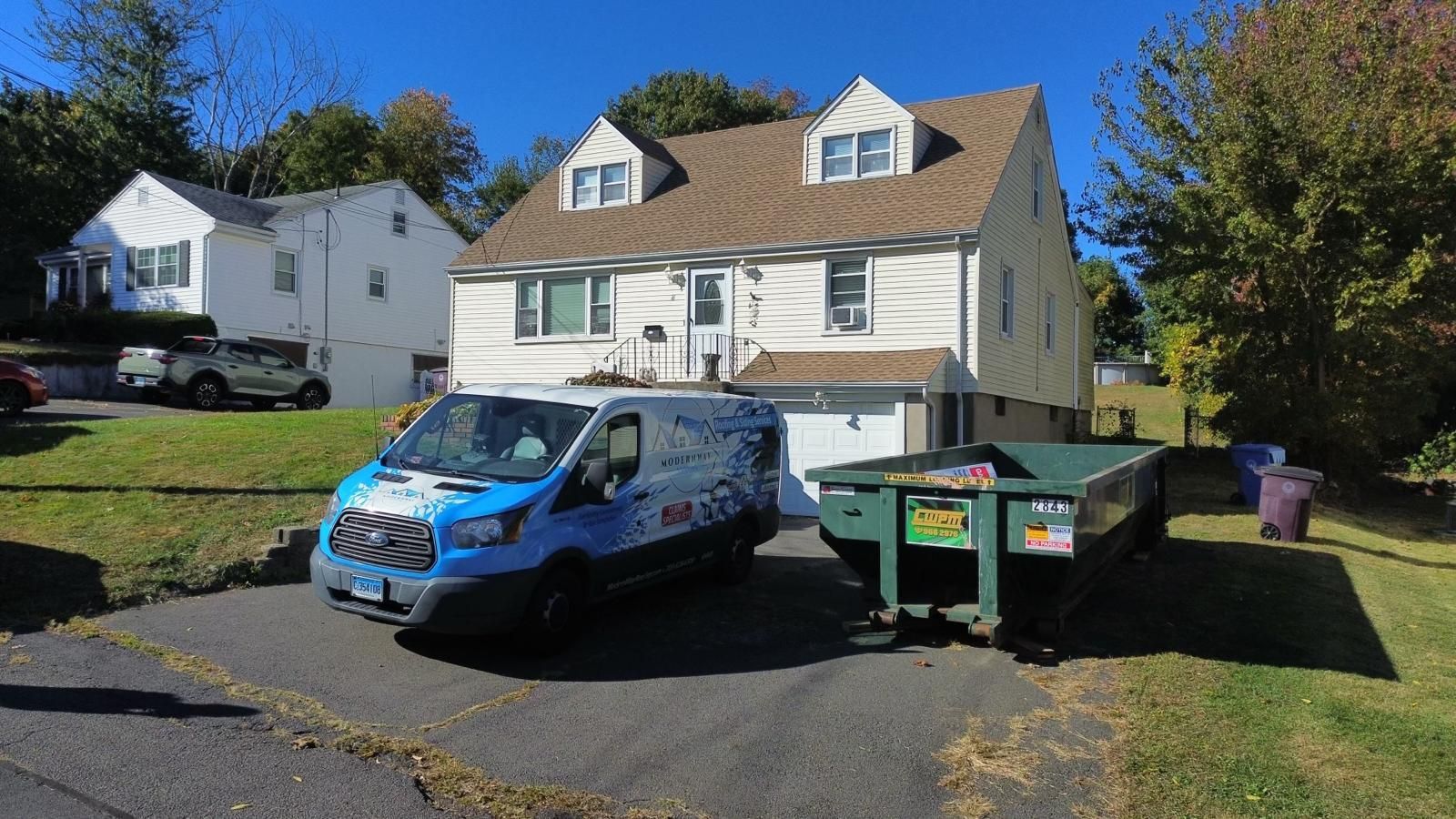
When a storm hits Watertown, the roof usually takes the first punch. Modern Way Roofing is based right here in Watertown, CT, and our crews spend a lot of time diagnosing storm damage on local homes, especially asphalt shingle systems after wind-driven rain and heavy gusts. We also see how small issues (like one lifted shingle or a loose flashing edge) can turn into ceiling stains, wet insulation, and bigger repairs if they're ignored.
Quick read: what to do after a storm in Watertown
Prioritize safety first
After a storm, assume things may be unstable. Downed lines, slippery surfaces, and loose branches can be dangerous. If you see a limb on the roof, sagging areas, or anything that looks unsafe, keep your distance and get help.
A simple rule: if you wouldn't feel safe carrying a ladder in wet grass, don't even think about climbing on a roof.
Prevent interior damage while you assess
If you have active leaking, your first goal is to limit water inside the home.
Do these quick steps:
- Put a bucket under drips and move valuables away from wet areas
- Poke a small drain hole in a bulging ceiling (only if you can do it safely) so water doesn't spread across drywall
- Run fans and a dehumidifier if you have them
- If the attic is accessible and safe, place a container under the drip point (avoid stepping on wet insulation or ceiling drywall)
When it's time to call a roofer immediately
Call right away if you notice any of these:
- Water actively dripping inside
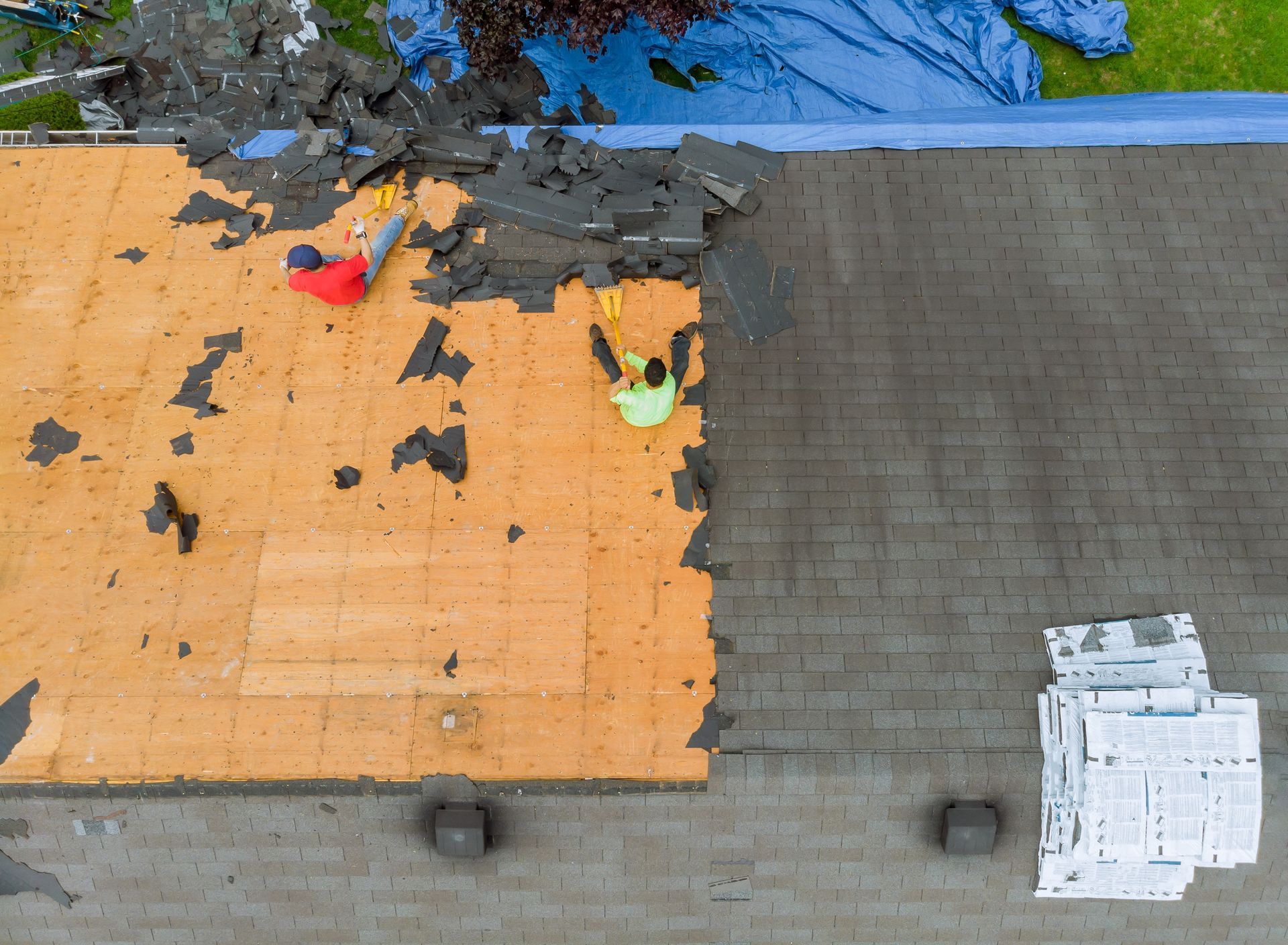
- Missing shingles or visible bare roof sections
- A tree limb contacting the roof
- A sagging area (possible soaked decking)
- Damage around a chimney, skylight, or vent pipe
- A strong "wet attic" smell or wet insulation
How wind and heavy rain damage roofs in Litchfield County
Wind uplift and shingle failure
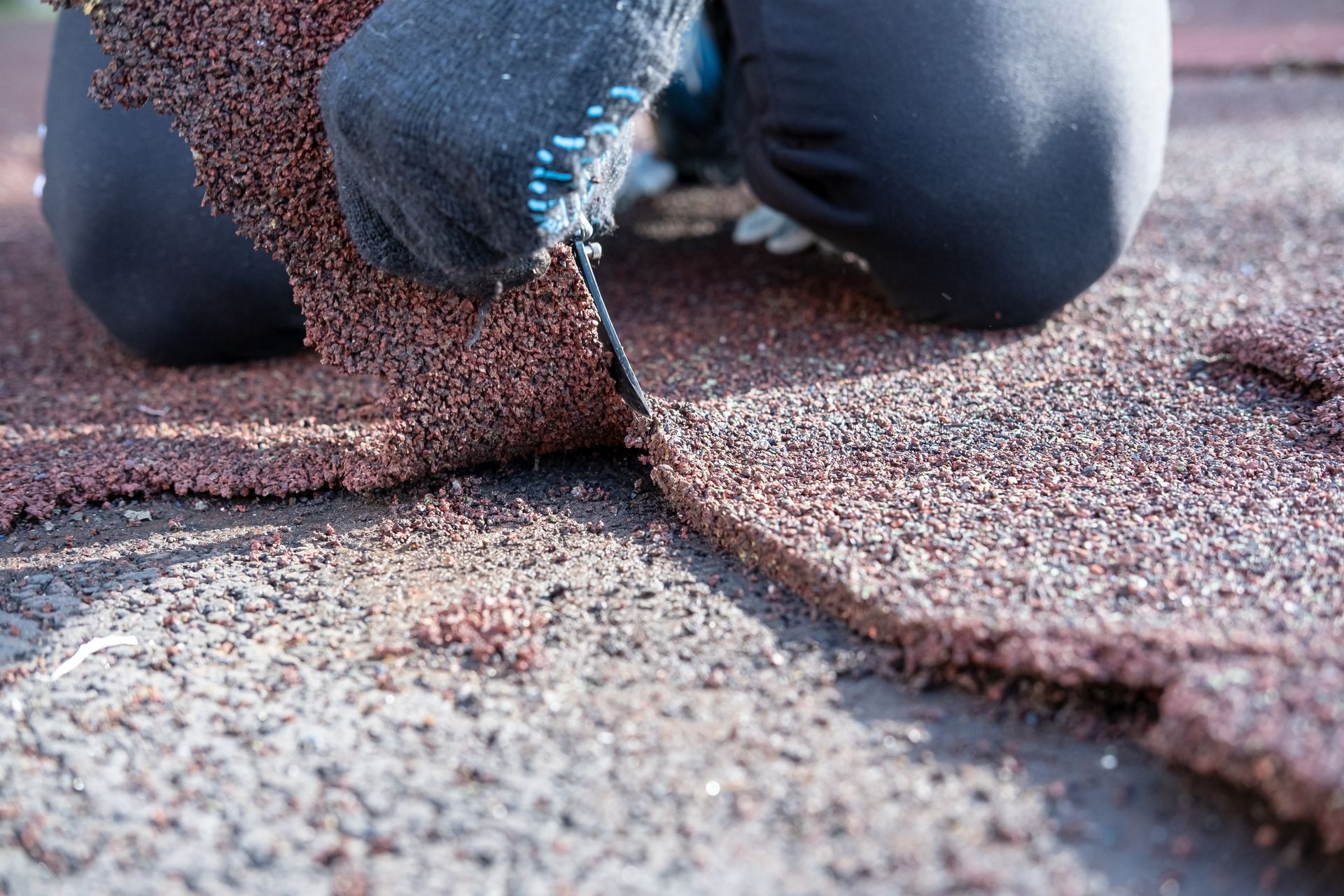
Wind does not have to "rip off" a roof to cause problems. It often starts with uplift, wind getting under shingle edges and lifting them. That can break the seal strip and loosen fasteners.
Common results include:
- Lifted tabs that settle back down but no longer seal tight
- Creased shingles (a bend line in the shingle mat) that are likely to fail later
- Blow-offs where shingles fully detach
- Exposed nails that become direct leak paths
Wind-driven rain and hidden leaks
Heavy rain with wind is a different beast than vertical rainfall. Wind can push water up and under shingles, especially at edges and transitions.
This can lead to:
- Water sneaking under shingles and soaking the underlayment
- Slow seepage into roof decking
- Leaks that show up hours later as ceiling stains or attic moisture
Flying debris and impact damage
Branches, patio items, and blown debris can puncture shingles or damage roof parts that most people do not notice from the ground.
Watch for:
- Branch strikes that crack a shingle or ridge cap
- Dented vents or metal flashing
- Damage around pipe boots (rubber seals around vent pipes)
Gutter and edge-system failures
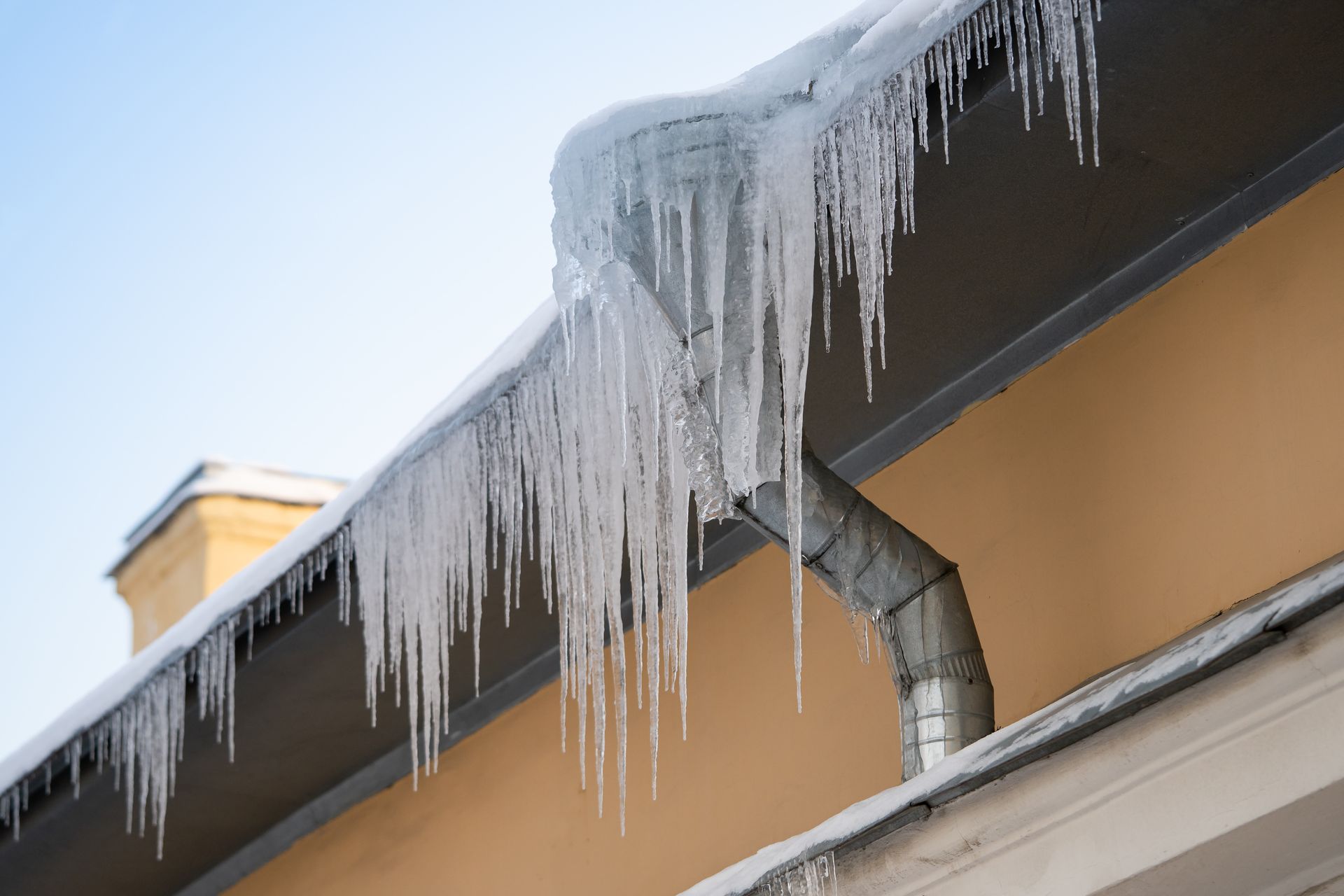
Gutters and drip edge are part of your roof's water-control system. If they're loosened or bent, water can run where it shouldn't.
Storm issues we see often:
- Loose
gutters pulling away from fascia
- Bent drip edge that allows water to wick behind the gutter
- Exposed fascia/soffit that lets wind-driven rain reach wood edges
Signs of storm damage you should not ignore
Visible exterior red flags
From the ground (or using binoculars), look for:
- Missing shingles or mismatched "patch" areas
- Lifted, curled, or flapping shingles
- Ridge cap shingles that look crooked or peeled up
- Bent metal edges or loose flashing lines
- Granules piled in gutters or downspout exits (from shingle wear)
Interior warning signs
Storm damage often shows up indoors first. Pay attention to:
- New brown/yellow ceiling stains
- Bubbling paint or soft drywall
- Drips near exterior walls, chimneys, or skylights
- Musty attic odor, damp insulation, or visible moisture on rafters
Structural and safety concerns
These are "stop and call" issues:
- Sagging roof lines or soft spots
- A limb resting on the roof
- Cracked roof decking visible from the attic
- Fast water intrusion during rain
Subtle indicators homeowners often miss
Some storm damage looks small but matters:
- Nail pops (raised nail heads under shingles)
- Small flashing separations you'd never spot without a closer look
- Pipe boots that shifted or cracked
- Ridge vents slightly lifted or exposed
Where leaks commonly start after wind and heavy rain
Flashing transitions and roof penetrations
Most roof leaks happen at details, not the middle of a shingle field.
High-risk areas:
- Chimneys (especially step flashing and counterflashing)
- Plumbing vents and exhaust vents
- Skylights and their perimeter flashing
Valleys and roof-to-wall intersections
Valleys handle a lot of water. If debris builds up or flashing fails, leaks can start fast.
Common leak zones:
- Open or closed valleys where water concentrates
- Dormers and roof-to-wall transitions (step flashing zones)
- Sidewall flashing where siding meets roofing
Eaves and edges
Edges get hammered by wind and water. Problems often include:
- Starter strip failure at the eave
- Drip edge gaps that let water move behind the system
- Gutter line overflow that forces water under shingles
Ridge and hip lines
Ridges are exposed. When caps shift, water can enter quickly.
- Ridge cap blow-offs
- Ridge vent exposure
- Loose or poorly sealed cap shingles
What to do immediately after the storm
Safe walk-around inspection from the ground
Do a slow lap around the home and take photos.
Look for:
- Shingles in the yard
- Bent gutters or downspouts
- Debris on roof planes
- Exposed black underlayment or bare wood areas
- Flashing that looks lifted or wavy
Photo tips that help a roofer diagnose faster:
- One wide shot per roof side (front/back/left/right)
- Close-ups of damaged areas (zoom is fine)
- Photos of any interior stains with a reference object for size
Minimize interior damage right away
If you have a leak:
- Catch water and protect floors
- Move furniture and electronics
- Dry the area as much as possible
- Check the attic only if it's safe and stable
Temporary protection options
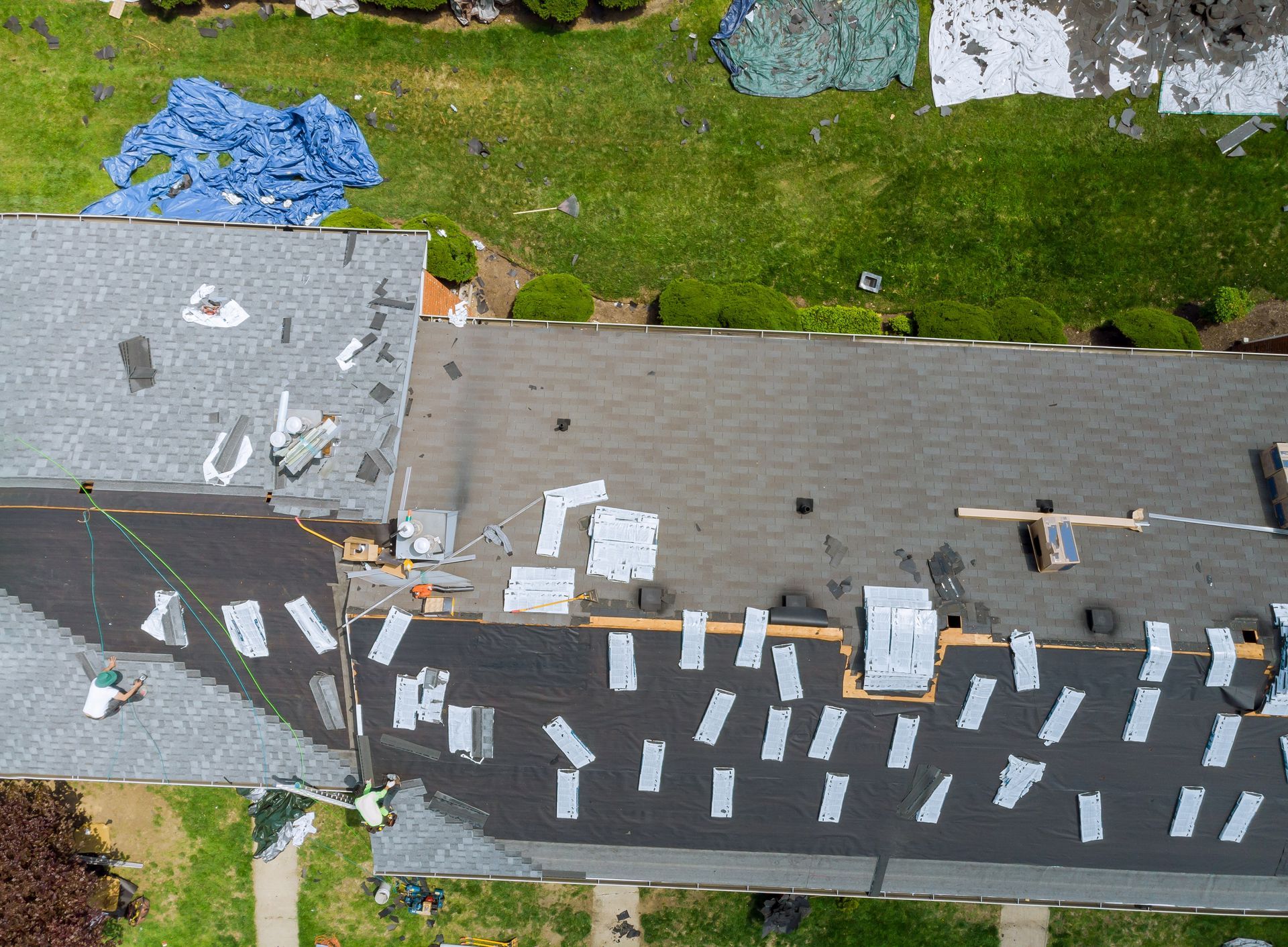
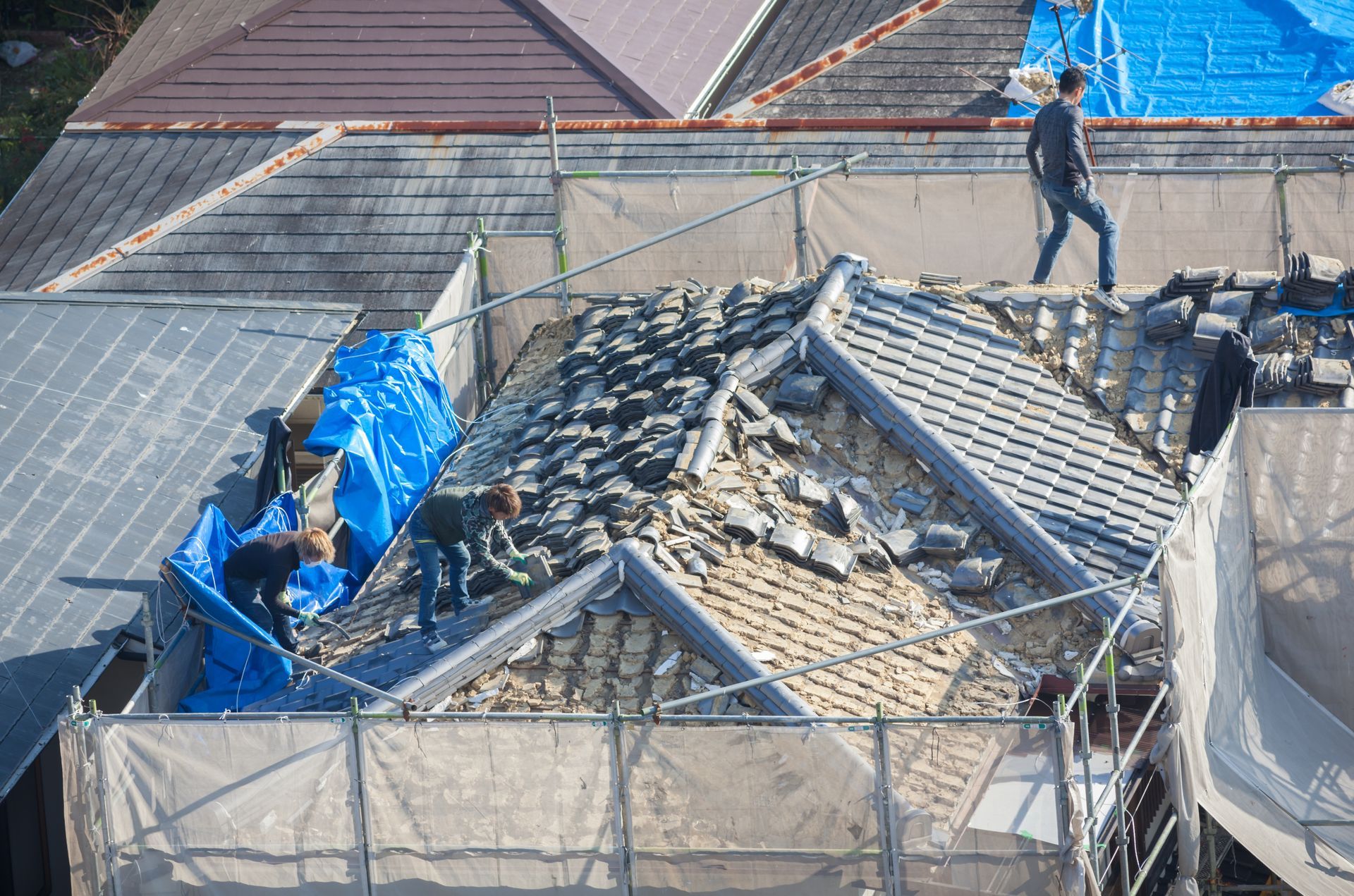
In some cases, a tarp or temporary seal is the right move, especially when shingles are missing or a limb impact opened the roof.
Two important points:
- Tarping is a short-term fix. It buys time and prevents interior damage.
- DIY roof work is risky after storms. Wet shingles and damaged decking can fail underfoot.
Repair vs. replace: how to think about your next step
When a focused repair is usually enough
A roof repair is often reasonable when damage is localized, such as:
- A small number of missing shingles
- Minor flashing separation
- One leak tied to a single penetration
- Limited damage to one roof slope
When replacement becomes the smarter call
Roof replacement may make more sense if you have:
- Widespread shingle failure across multiple slopes
- Repeated leaks after multiple storms
- Significant decking damage (soft or rotted areas)
- An older roof that is already near the end of its life
The "hidden damage" factor
Some of the most expensive problems start as small storm damage:
- Water slowly soaking decking and insulation
- Mold risk from damp attic conditions
- Rot at fascia and roof edges
- Stains and drywall repairs inside the home
What a storm-damage roof inspection should include
Exterior system review
A thorough roof inspection should check:
- Shingles (missing, lifted, creased, granule loss)
- Ridge, hips, and valleys
- Flashing at all transitions
- Vents, pipe boots, skylight edges
- Gutters, drip edge, fascia/soffit exposure
Attic and interior checks
Inside tells the real story:
- Wet insulation or damp odor
- Decking stains or dark rings around fasteners
- Moisture around chimneys and vents
- Signs that ventilation was compromised by storm damage
Documentation and scope clarity
A solid inspection should produce:
- Clear photos of damage
- Written notes on what was found
- Recommended next steps (with urgency level)
- A defined scope for repair (what will be fixed and how)
Insurance considerations for storm damage in Watertown, CT
When to call your carrier
Consider contacting insurance if:
- Damage is tied to a clear storm event
- There's sudden shingle loss or impact damage
- Water intrusion is active and significant
- Repairs are beyond a small, isolated fix
How to document damage the right way
Good documentation helps reduce claim friction:
- Note the storm date/time (or closest estimate)
- Take exterior and interior photos right away
- Save receipts for temporary mitigation (tarps, fans, dehumidifiers)
- Avoid throwing away damaged materials until advised
Common mistakes that create claim friction
These cause issues more often than people expect:
- Waiting too long to document
- Completing repairs before taking photos
- Discarding damaged shingles/flashing immediately
- Failing to show interior impact (stains, wet insulation)
Our team can help guide you through the insurance claims process for storm-related damage.
What impacts the cost of storm damage roof repair
Severity and scope of damage
Cost changes based on:
- How many shingles/components are affected
- Whether underlayment and decking are damaged
- How many roof areas (slopes) need work
Roof complexity and access
A simple roof is faster and safer to repair than a complex one. Pricing is affected by:
- Pitch and height
- Dormers, valleys, and multiple penetrations
- Chimneys and skylights
- Limited access or landscaping constraints
Urgency and timing
After big storms, demand spikes. Urgent stabilization (same-day tarping, after-hours response) can increase labor needs. Storm backlogs can also impact scheduling.
Materials and matching
Matching shingles can be tricky due to:
- Availability of the same shingle line
- Color fade from sun exposure
- Discontinued products
- Metal flashing type and thickness differences
Choosing a storm damage roofer in Watertown, CT
What "good" looks like
A strong contractor should provide:
- Local experience with Connecticut storm patterns
- Clear inspection documentation
- A defined scope (no vague "we'll fix it" language)
- Straight answers on repair vs. replacement
- A clean, safe work plan and clear communication
Red flags to avoid after major storms
Be cautious if you see:
- High-pressure "today only" offers
- No written scope or no photos
- Vague pricing with no explanation
- Out-of-area crews with no local accountability
- Anyone asking you to sign over insurance proceeds
Questions to ask before approving work
Use simple, direct questions:
- What is the exact leak entry point (or best guess) and why?
- What will you do first to stop water today?
- What materials will be replaced vs. reused?
- What warranty applies to the repair?
- How will you protect landscaping and clean up debris?
After repairs: how to prevent the next storm-related leak
Maintenance habits that pay off
Small habits can prevent big problems:
- Clean gutters and confirm downspouts drain away from the home
- Trim overhanging limbs before storm season
- Check attic after major rain for new moisture
- Do a ground-level visual check a few times per year
Targeted upgrades for wind and heavy rain
If your roof is getting older or you've had repeat issues, consider:
- Stronger underlayment choices (especially at eaves/valleys)
- Improved flashing details at chimneys and walls
- Better drip edge integration with gutters
- Reinforced ridge cap installation methods (where appropriate)
When to schedule a proactive inspection
A proactive inspection is smart:
- After severe wind events or nor'easters
- After repeated heavy rain
- If you notice new stains or attic odor
- If your roof is aging and repairs are becoming more frequent
Closing: protect your home before small storm damage becomes a big problem
Storm damage is not always obvious, and a "small" issue can become a major interior repair if water keeps getting in. If you notice any warning signs, missing shingles, lifted areas, stains, attic moisture, or debris impact, get a professional inspection sooner rather than later. Quick stabilization and clear documentation are the best ways to protect your home and avoid the stress of surprise damage.
If you need immediate help, our emergency roof repair services are available to Watertown residents for urgent stabilization and damage control.
Frequently Asked Questions
What's the difference between wind damage and wear-and-tear on my roof?
Wind damage happens suddenly during or immediately after a storm event, lifted shingles, missing caps, or visible blow-offs. Wear-and-tear develops gradually over years, granule loss, brittleness, curling from age. Insurance typically covers sudden storm damage but not normal aging. The key distinction is timing: if damage appeared after a specific weather event and you can document it, that's storm damage.
How long do I have to file an insurance claim after storm damage?
Most policies require you to report damage "promptly" or within a specific timeframe (often 1-2 years, but some carriers are stricter). However, waiting weeks or months can hurt your claim because it becomes harder to prove the damage was storm-related and not from neglect. Best practice: document and report within days of discovering damage, even if you haven't gotten repair estimates yet.
Can I just replace the damaged shingles, or do I need to do the whole roof?
It depends on several factors: the extent of damage, your roof's age, and whether replacement shingles match. For localized damage on a relatively new roof with available matching shingles, a targeted repair often works well. But if damage is widespread, your roof is older, or shingles can't be matched (causing a patchwork look), replacement may be more cost-effective long-term.
Why does my roof leak after a storm but not during normal rain?
Wind-driven rain behaves differently than vertical rainfall. Wind pushes water sideways and upward, forcing it under shingles, into gaps, and through transitions that normally shed water fine. Storm damage like lifted shingles or loosened flashing creates vulnerabilities that only show up when wind drives rain into these compromised areas. It's not that your roof "suddenly failed", the storm changed how water hits it.
Should I tarp my roof myself or wait for a professional?
If you can safely tarp from the ground or through an attic access point without climbing on the roof, basic temporary protection can help. However, tarping a storm-damaged roof properly, especially in wet, windy conditions or on steep pitches, is dangerous and requires experience. Professional emergency tarping services have the safety equipment, proper anchoring methods, and insurance coverage to do it right. When in doubt, call for help rather than risk injury.
Recent Posts